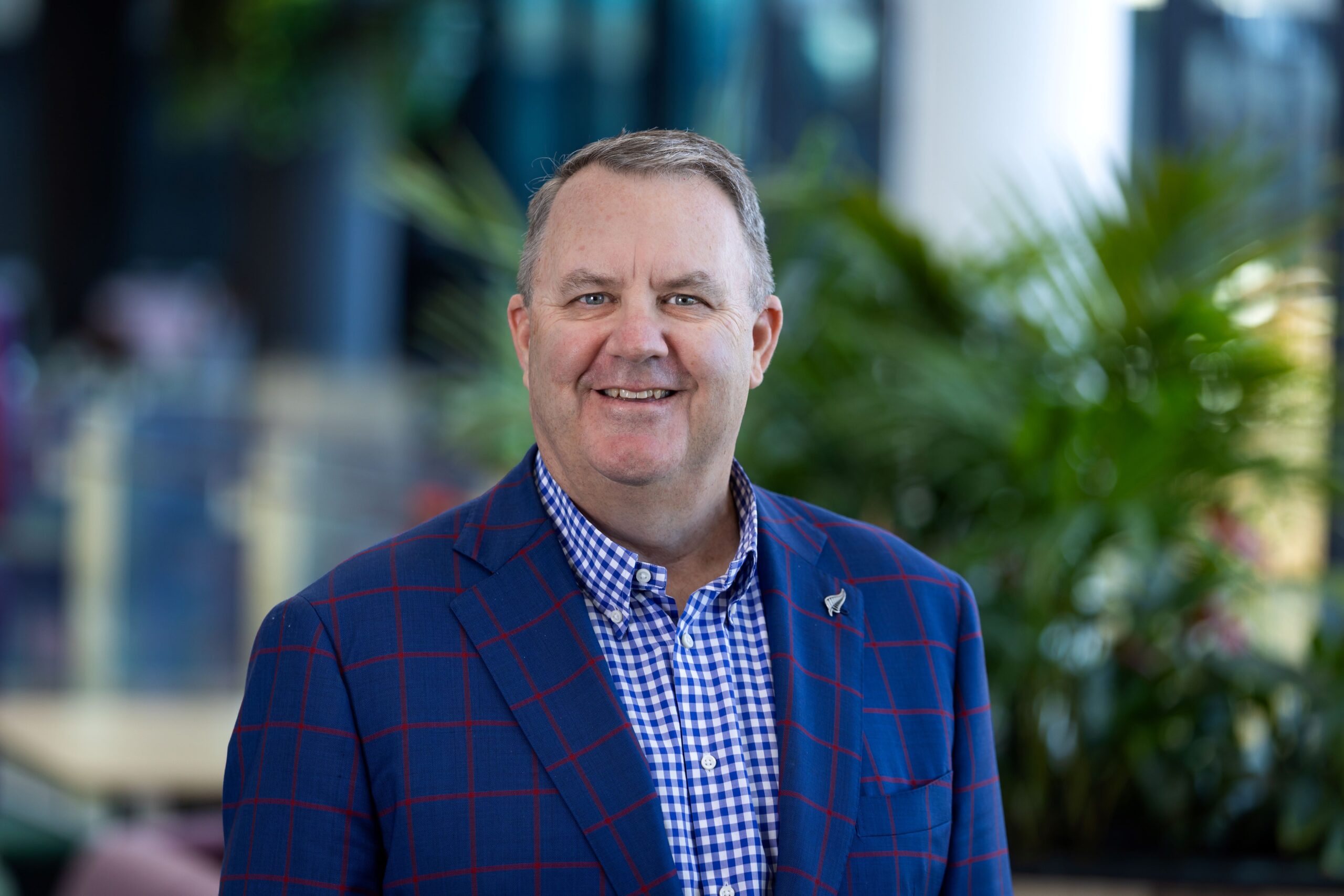

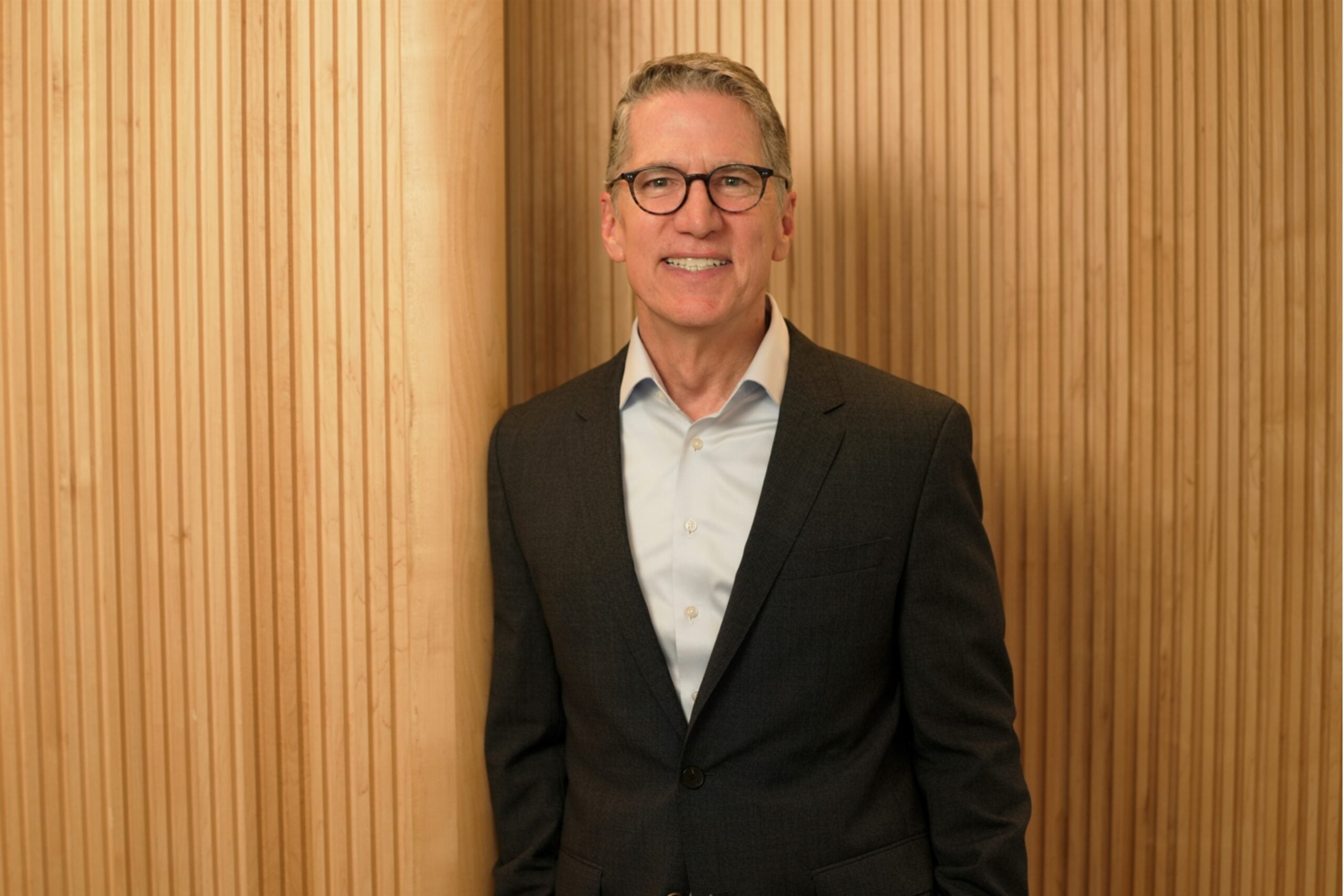
In this new series taking a deeper dive into getting to know the CEOs making up the Climate Leaders Coalition (CLC) and driving climate leadership from the top, we share some reflections from CLC Steering Group Member and IAG CEO Phil Gibson.
What do you see as the biggest opportunity for Aotearoa New Zealand businesses as the global economy transitions to low emissions?
As the economy transitions, the opportunity is also to accelerate our investment in adaptation, so that we can reduce our exposure and vulnerability to the impacts of a changing climate that are already locked in.
What is the most important role business leaders can play in helping Aotearoa New Zealand prepare for a changing climate?
Business leaders have an important role to play in helping reduce risk before disasters occur. This means supporting better planning and infrastructure decisions, taking action to make homes, businesses and communities more resilient, and working with government to strengthen our response.
What is the most urgent adaptation challenge that government, business and communities must work together to solve?
New Zealand needs to increase ownership and accountability to drive a more coordinated and urgent approach to risk reduction. We need a coherent, long-term national strategy for natural hazard risk reduction that clarifies responsibilities, improves land-use and building decisions, and creates sustainable funding for resilience and adaptation.
We must keep people protected. Councils, government, businesses and insurers must therefore work together to address the underlying risks. We can do it and IAG remains committed to playing our part.
What gives you optimism about Aotearoa New Zealand’s ability to successfully transition to a low-emissions future?
I’m optimistic that resilience and adaptation are moving higher up the national agenda, albeit slowly. There is growing recognition that New Zealand cannot simply respond to and recover from natural disasters. We must also reduce risk before disasters occur.