
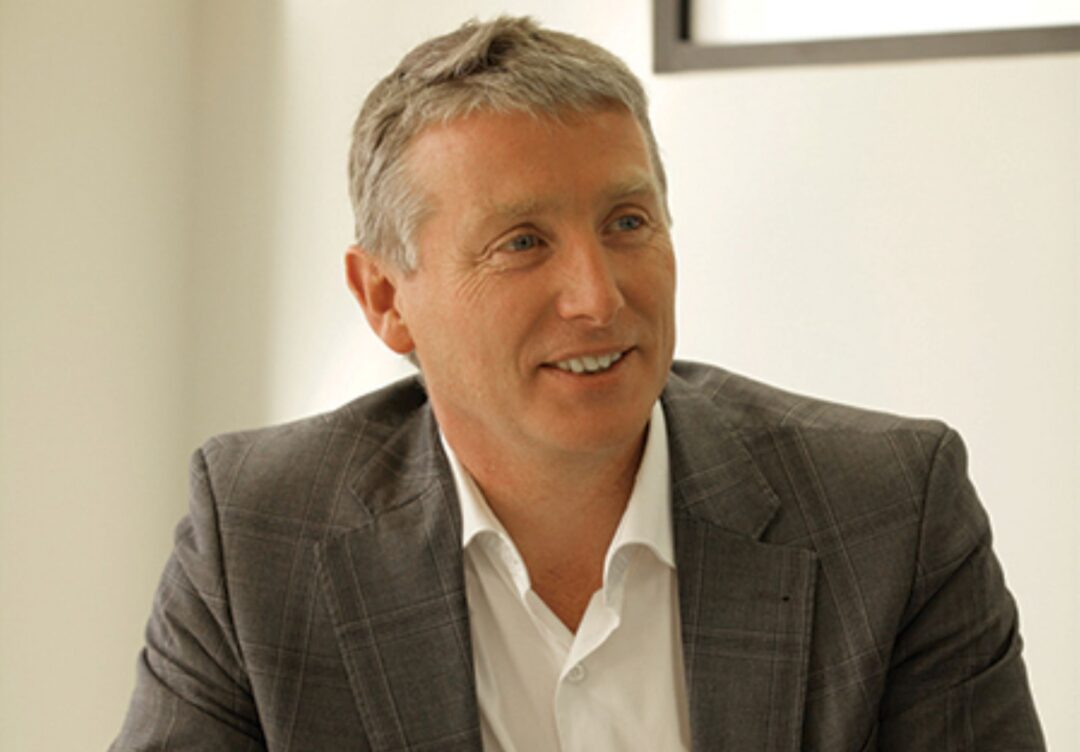
In this new series taking a deeper dive into getting to know the CEOs making up the Climate Leaders Coalition (CLC) and driving climate leadership from the top, we share some reflections from CLC Steering Group Member and NZ Post CEO David Walsh.
What do you see as the biggest opportunity for Aotearoa New Zealand businesses as the global economy transitions to low emissions?
We can learn from European (particularly Scandinavian) countries and through climate action capture economic benefits. And as relatively small, geographically isolated islands, we have the benefit of our renewable energy sources that used well can give us a level of control, providing both resilience and a natural hedge against global uncertainties.
What advice would you offer to other CEOs navigating the transition to a low-emissions economy?
Give your teams permission (and the expectation) to think broadly about the opportunities in the context of your organisation’s strategy, and then focus on a couple of options that are meaningful for your business and its customers. Stand in the future, identify the barriers to getting there and then get started.
What gives you optimism about Aotearoa New Zealand’s ability to successfully transition to a low-emissions future?
I look at the passion and the commitment of our sustainability professionals, and the way they work together, across boundaries, and share thinking and lessons learned. They have recognised that the benefits compound – both economic and environmental – across generations to create resilience. Transition to a low-emissions future is critical for the success of all our businesses and organisations – and it is increasingly being recognised that it can be done in a way that ensures long term commercial success.
What is one challenge businesses must work together to solve to reduce emissions more quickly?
A key challenge is decarbonising some of our most emissions-intensive sectors, including transport, freight, and logistics, where progress will be better achieved through collective action rather than individual organisations acting alone. This involves complex issues that require bold leadership, coordinated investment, and collaboration across industries to scale the technologies, infrastructure, and systems needed to accelerate decarbonisation.