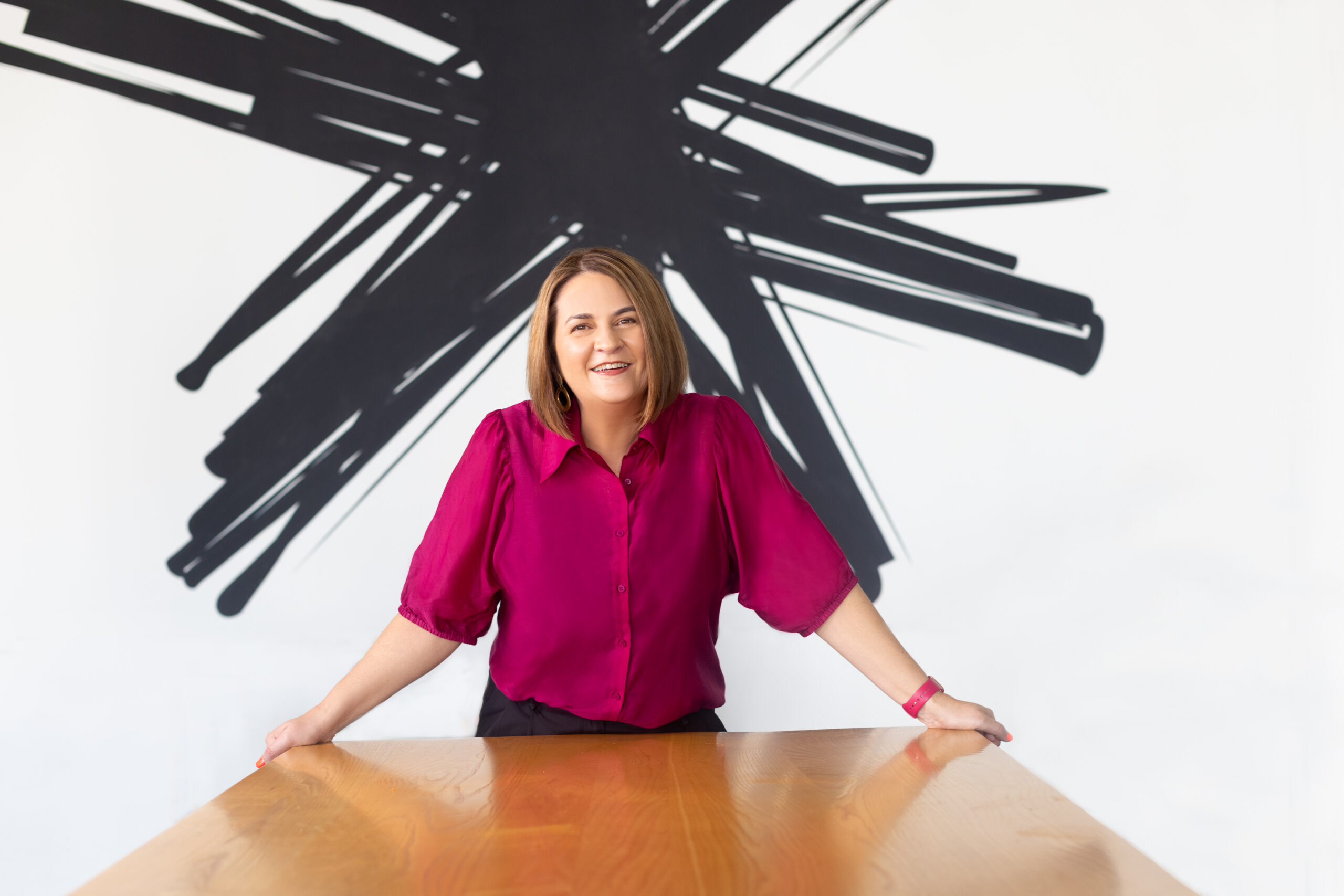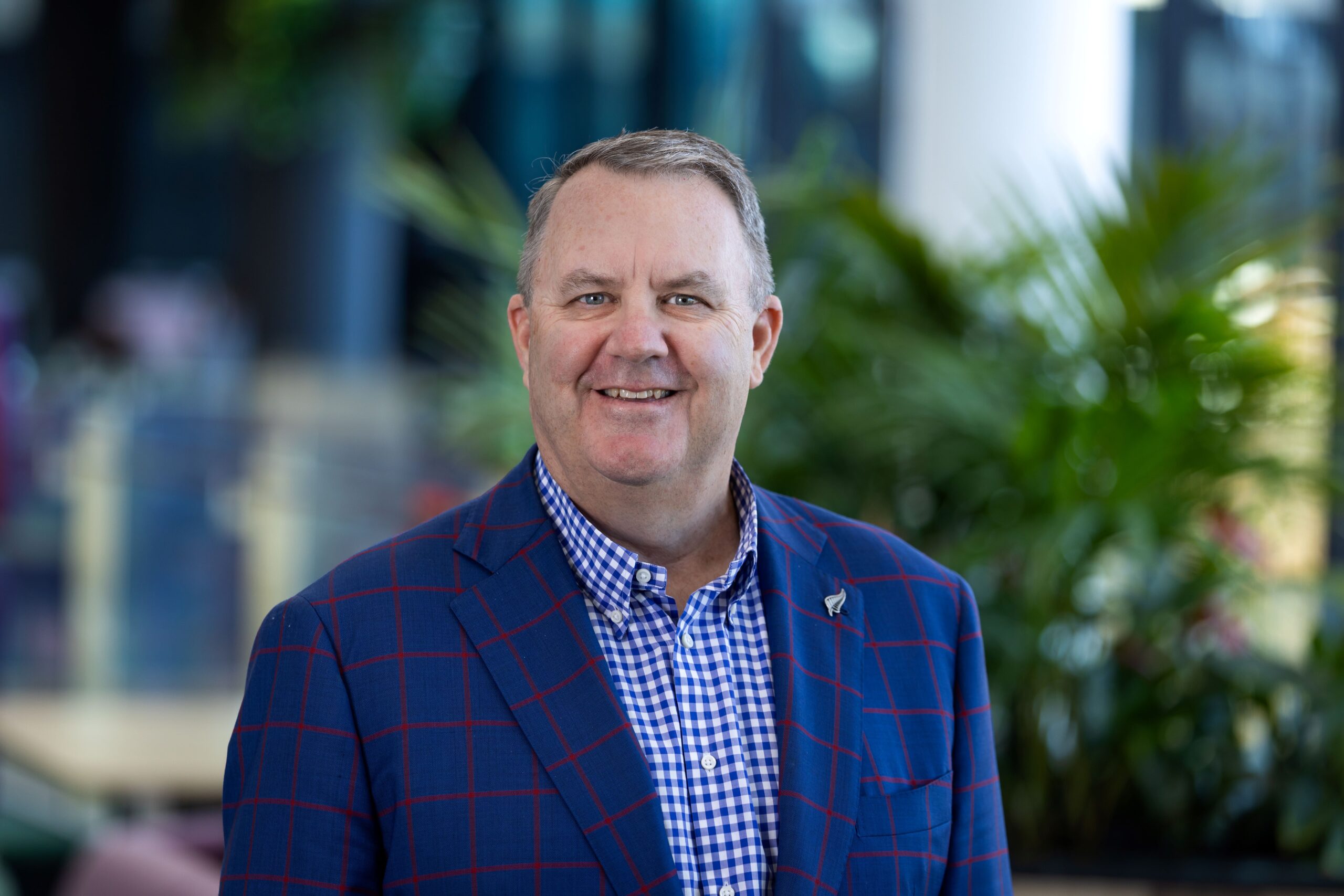

In this new series taking a deeper dive into getting to know the CEOs making up the Climate Leaders Coalition (CLC) and driving climate leadership from the top, we share some reflections from CLC Steering Group Member and thinkstep-anz CEO Barbara Nebel.
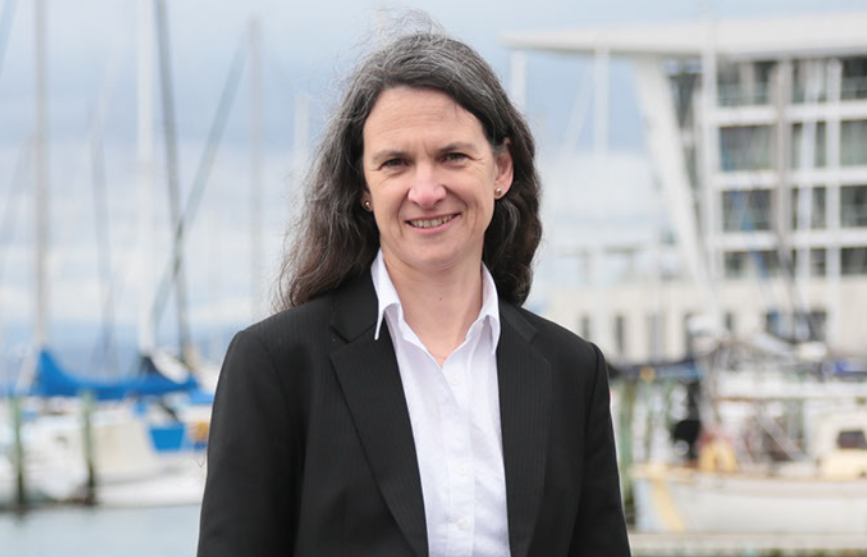
What do you see as the biggest opportunity for Aotearoa New Zealand businesses as the global economy transitions to low emissions?
The obvious opportunity is renewable energy, and Aotearoa New Zealand is fortunate to have a strong advantage in clean electricity. But I think there is another exciting part of the story. We have some extraordinary deep-tech innovation and entrepreneurs developing technologies with genuinely global potential.
If we can combine our renewable energy advantage with that innovation, we have an opportunity not only to reduce emissions here, but to build businesses and technologies that can compete globally.
What is the most important role business leaders can play in accelerating climate action in Aotearoa New Zealand?
One of the most important things we can do as business leaders is be more open with each other. Talk about what is working, what is not working and where we need help. Some of the challenges we are dealing with are simply too big to solve within one organisation.
We also have influence beyond our own businesses – through what we buy, who we work with and the expectations we set. If we use that influence and are prepared to collaborate, we can move much faster.
What is one challenge businesses must work together to solve to reduce emissions more quickly?
Supply chains are one of the big ones. So much of a business’s emissions can sit outside its own operations, which means we depend on suppliers and customers to make progress.
That also creates an opportunity. Through procurement, businesses can create real demand for lower-emissions products and services. Networks such as the Climate Leaders Coalition help because they bring businesses together to have those conversations and learn from what others are doing.
What advice would you offer to other CEOs navigating the transition to a low-emissions economy?
Do not wait for perfect information before you act. Scope 3 is a good example – it can feel daunting, and there is a temptation to wait until you have mapped every emission perfectly. Start with what you know, identify your biggest hotspots and focus on where you can make a difference. Your data will improve over time, but you can start reducing emissions now.
Increasingly, I do not see the transition to a low-emissions economy as a sustainability issue sitting alongside the business. It is part of the business – affecting customers, procurement, investment, resilience and competitiveness.
What gives you optimism about Aotearoa New Zealand’s ability to successfully transition to a low-emissions future?
What gives me optimism is seeing things move from plans to actual implementation. Some of our hardest-to-abate industries, including steel and concrete, have developed credible decarbonisation roadmaps, and we are starting to see real projects and emissions reductions follow.
At one end of the scale, the start-up company Neocrete is a great example of New Zealand innovation: a now commercial technology that can significantly reduce the amount of cement needed in concrete. At the other, larger end, the new electric arc furnace at New Zealand Steel is expected to reduce New Zealand’s emissions by around 1% on its own. When you see innovation happening alongside major industrial change, there is good reason to be optimistic.